You've probably noticed: fillers work for a few weeks, then your face seems to sag again.
This isn't an accident. Cosmetic treatments often focus on the visible symptoms, which is why they may not address what happens beneath the surface — including changes in the skin's collagen structure.
But a growing body of research is exploring a different approach: supporting the skin from within by targeting the processes involved in collagen production.
Researchers have been investigating why some women maintain firmer-looking skin as they age — and what their findings could mean for the future of skin tightening.
A Dermatologist Reveals Why Tightening Your Face May Require More Than Botox
A closer look at Type III collagen may help explain why skin gradually loses firmness, elasticity and structure with age.
And researchers are exploring a Korean-inspired approach that may help support the body's natural collagen-building process.
Health & Wellness Correspondent
Why Does Your Face Keep Sagging No Matter What You Try?
You've probably experienced it — looking in the mirror after another treatment, another expensive skincare product, or another attempt to restore firmness, only to find that the results don't seem to last.
The firmness fades. The plumpness changes. And over time, sagging can become more noticeable.
You're not imagining the changes, and you're certainly not alone.
As we age, the skin naturally undergoes structural changes that can affect its firmness, elasticity and overall appearance.
But here's what many people don't realize: many cosmetic treatments are designed primarily to improve the appearance of the skin rather than address the underlying biological processes involved in maintaining its structure.
Why Type III Collagen Changes After 50 — And What Researchers Are Investigating
The Mechanism
Korean Gelatin Recipe
Researchers have been studying the biological mechanisms involved in age-related changes in skin structure, including the role of different types of collagen.
Type III collagen plays an important role in the skin's structural network, working alongside other collagen types to help support elasticity and overall skin integrity.
As we get older, collagen production and the organization of the extracellular matrix can change. These changes may contribute to the gradual loss of firmness and elasticity associated with aging skin.
This isn't simply a surface issue.
It involves processes occurring within the skin, including the activity of fibroblasts — the cells responsible for producing collagen and other components of the skin's structural matrix.
Traditional approaches such as creams, lasers and fillers can improve the appearance of the skin in different ways, but their effects and mechanisms are not the same.
That has led researchers to investigate whether certain bioactive compounds and nutritional approaches could help support the body's natural collagen-production pathways.
One emerging area of interest involves compounds found in traditional Korean approaches to nutrition and skincare.
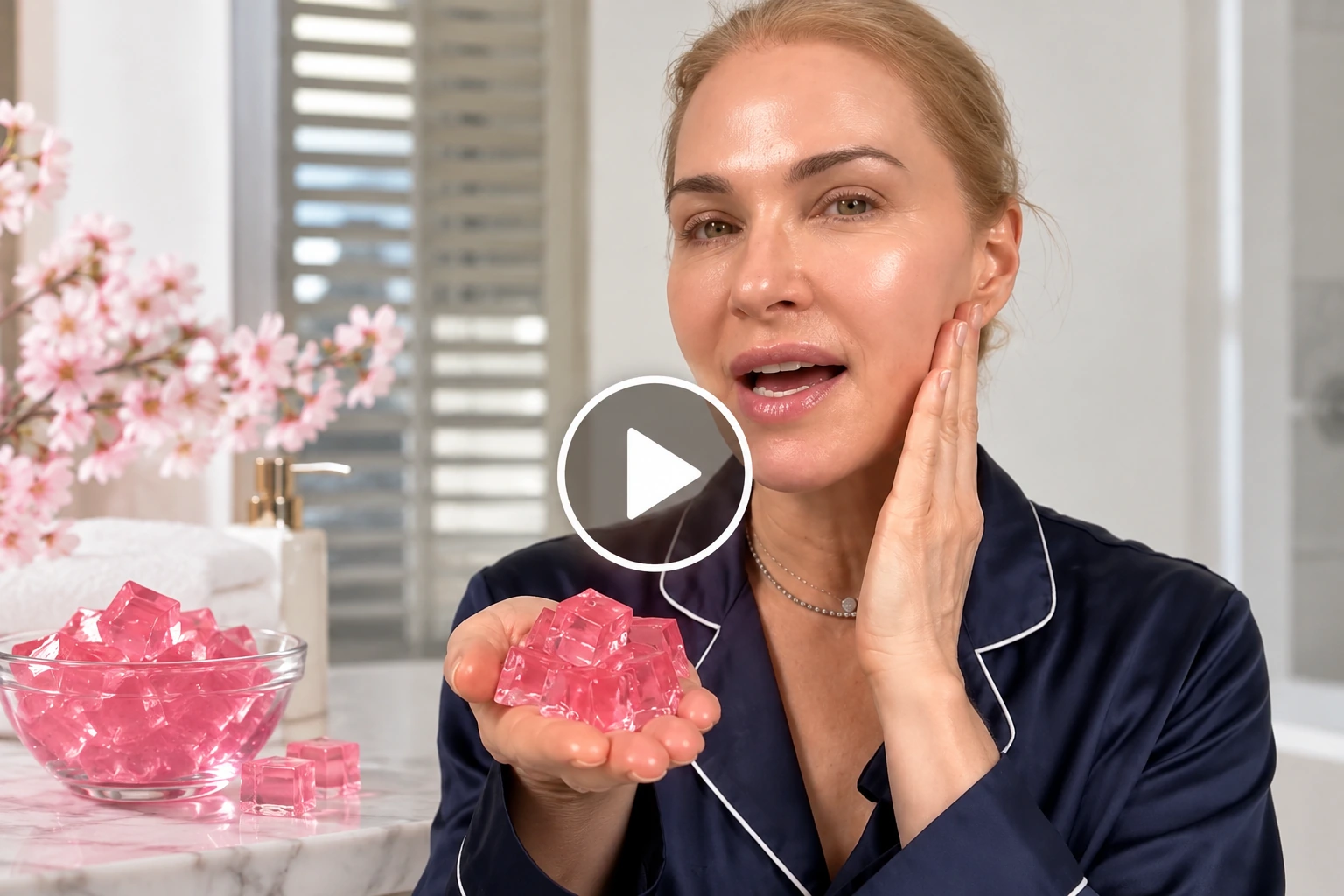
The video ahead explains the research, the mechanism being investigated, and the specific Korean-inspired approach that has attracted attention.
Watch the discovery to learn why researchers are taking a closer look at how supporting collagen from within may help maintain firmer, healthier-looking skin as you age.